The Kala Journal
Thoughtful notes for the years that move quickly.
Evidence context, parent questions, early learning, books, routines, play and the everyday decisions that shape family life.
Latest from the Journal
Read slowly. Use selectively.

ADHD and Toddlers: What Parents Can Notice Without Trying to Diagnose
Young children are naturally active, impulsive, and inconsistent with attention. This article explains how to organize concerns responsibly an...

Language-Building Activities for Toddlers at Home: 20 Playful Ideas
Twenty low-pressure ways to add more language to routines, books, songs, play, and everyday life. These are family activities, not speech ther...

Baby Sleep by Age: Use Wake Windows and Schedules as Guides, Not Prescriptions
Baby sleep varies widely. Learn how to use wake windows, naps, and bedtime patterns as flexible observations rather than exact age-based presc...

Toddler Tantrums: What May Be Happening and How to Respond Calmly
Tantrums can have many triggers, including frustration, fatigue, transitions, sensory load, communication, and ordinary limit-setting. Use cal...

Kindergarten Readiness: A Whole-Child View Beyond Letters and Numbers
School readiness includes communication, relationships, routines, motor skills, curiosity, early literacy and math, and the ability to partici...
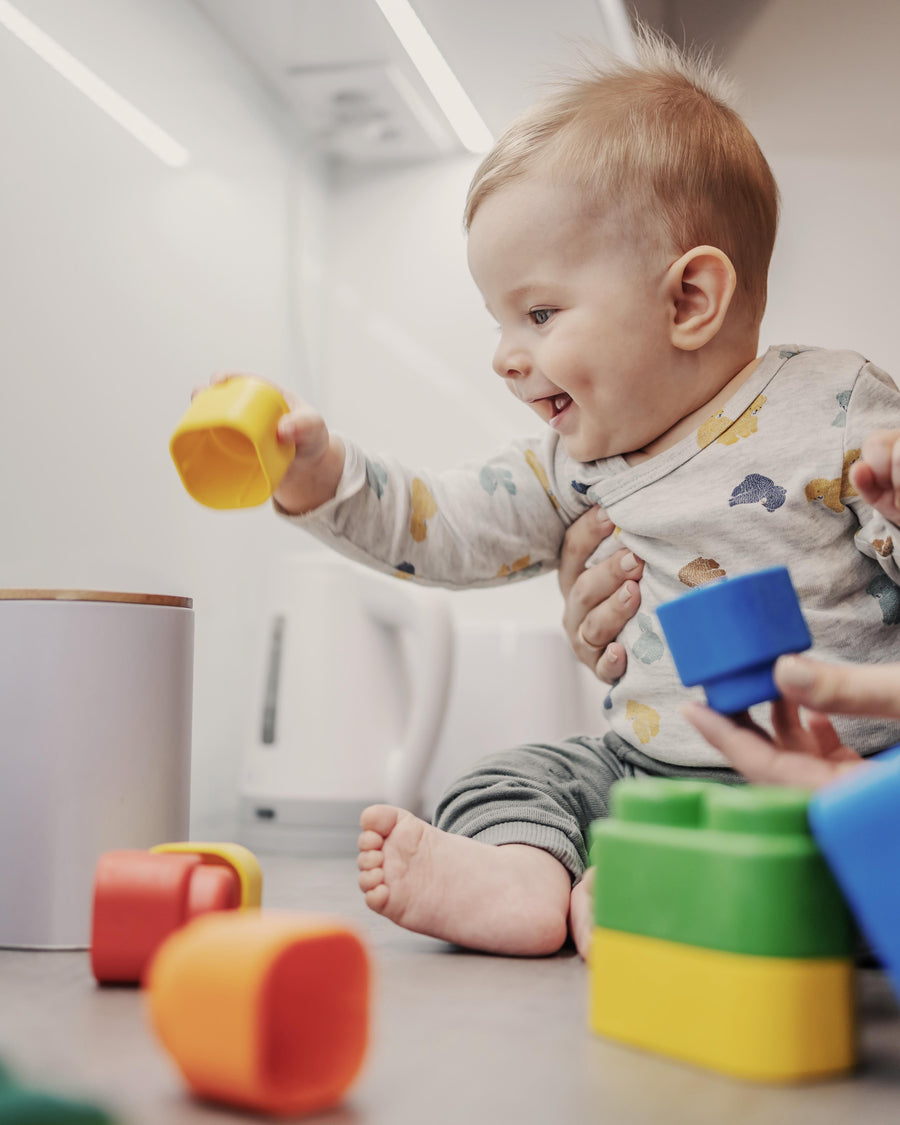
Speech Delay and Autism Can Overlap: What Parents Should Know
Speech and language differences can occur for many reasons, and an article cannot tell you whether a child has autism. Learn what information ...
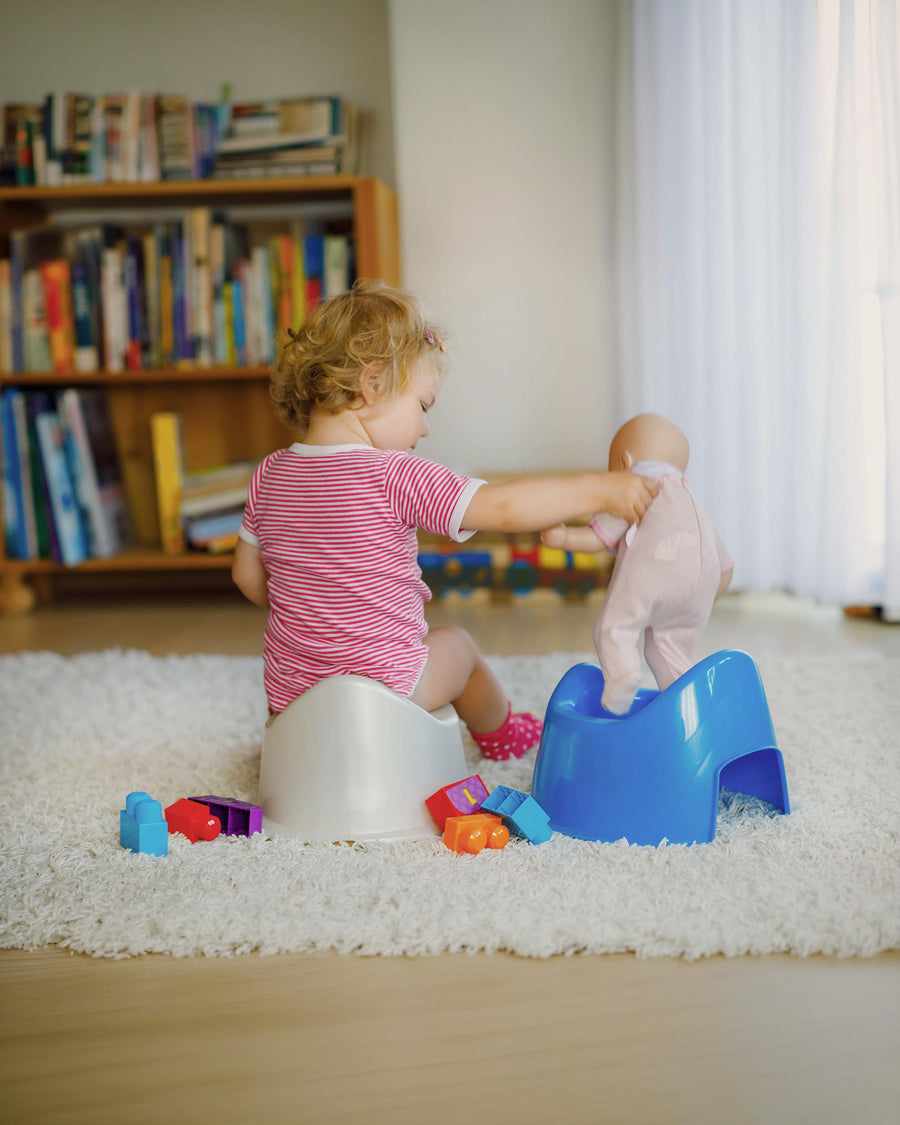
Potty Learning Readiness: Signs to Notice Without Predicting Success
Potty readiness is not a nine-item test and no single sign predicts success. Look at body awareness, participation, communication, comfort, an...

Early Autism Signs in Toddlers: What Parents Can Notice and What an Evaluation Does
Some developmental differences can be worth discussing with a qualified professional. This article explains what parents can notice, what a pa...

Baby Sign Language: When to Start, What to Teach First, and Does It Help Speech?
Baby sign language gives your child a way to communicate before they can speak — reducing frustration and building vocabulary. Here is exactly...
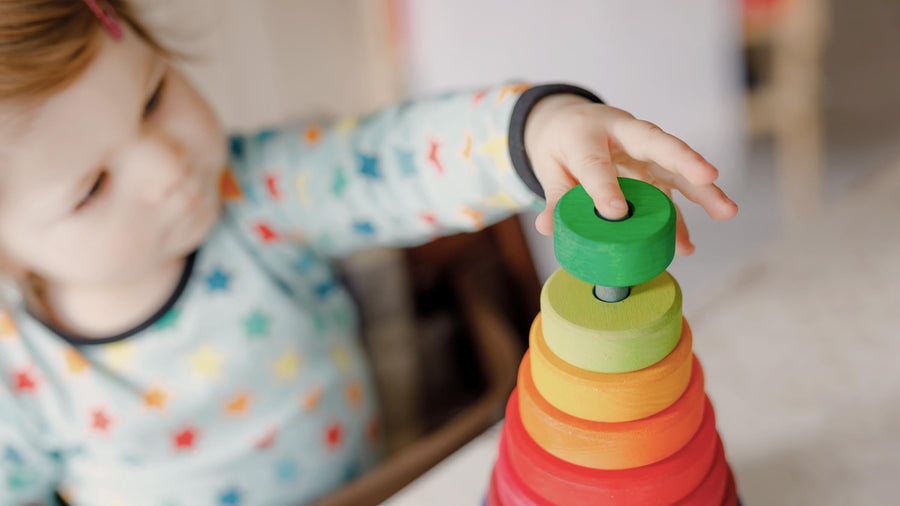
Supporting Toddler Learning and Development: What Families Can Do Every Day
Young children learn through relationships, language, play, movement, routines, books, exploration, and everyday participation. No single toy,...

Everyday Ways to Support Toddler Language
Language grows through responsive interaction, books, play, gestures, routines, and repeated meaningful words. Use these ideas without turning...

Why Body Parts Are a Toddler's Easiest First Words, and How to Build On That
Ask most parents what their toddler's early words were, and body parts come up constantly, nose, ear, belly, toes, often before far more "usef...